
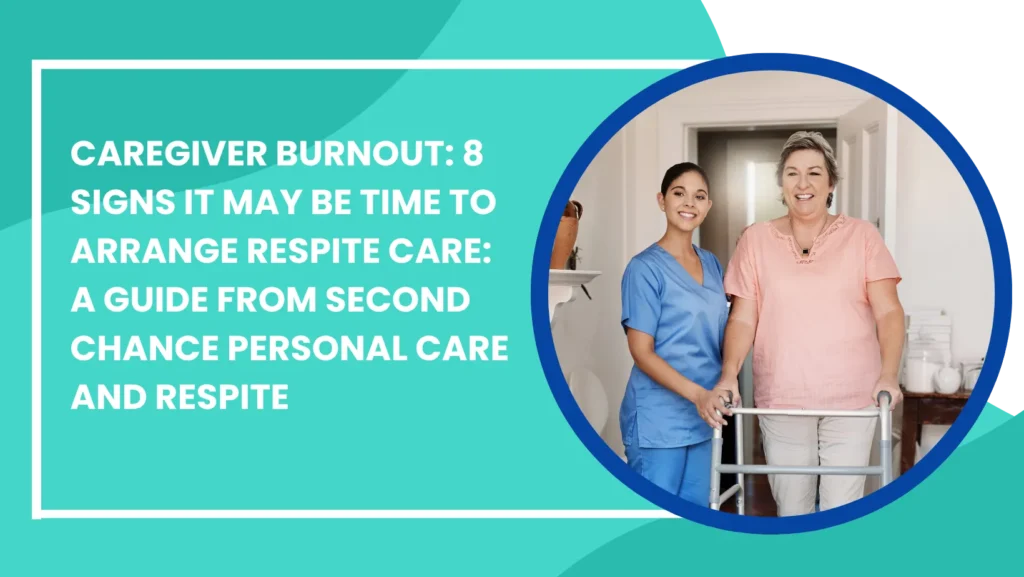
Respite care and caregiver relief should be planned around the person’s routine, safety, preferences, and family support. Start by identifying the exact tasks or times of day that are difficult, then choose the least disruptive support that addresses them. Review the plan whenever health, mobility, behavior, or family availability changes.
It can be hard to know whether a change is temporary or the beginning of a longer-term need. Looking at safety, daily tasks, family availability, and personal preferences makes the next step clearer.
For families in NATCHEZ, transportation, nearby relatives, appointment access, and provider service areas can affect whether a plan works from week to week.
The goal is not to remove independence. It is to reduce avoidable stress while preserving the tasks and choices the person can still manage safely.
What Signs Of Caregiver Burnout Respite Care Means
In practical terms, respite care and caregiver relief is about matching support to real daily needs. It may include planned time for a family caregiver to rest or work, temporary supervision and routine support, a backup when the main caregiver is unavailable.
Ask for a clear description of what is included, who performs each task, and how updates are shared.
- planned time for a family caregiver to rest or work
- temporary supervision and routine support
- a backup when the main caregiver is unavailable
- a way to test a care schedule before needs become urgent
- support arranged regularly or for specific periods
8 Changes to Watch For
One sign alone may not mean that a major change is needed, but a repeated pattern deserves attention.
Keep short notes about when the problem occurs and what kind of help resolves it. This makes later conversations specific.
- constant tiredness
- irritability or difficulty concentrating
- missing personal appointments or work
- feeling unable to leave even briefly
- family conflict about who should help
- care tasks becoming more physical
- little time for sleep, exercise, or relationships
- constant tiredness
Build a Practical Plan
Write down the tasks that are difficult, the time they occur, and what happens when help is unavailable.
Begin with the smallest level of support that solves the immediate problem. Review what improved after the plan has been used.
For confirmed service details, review Personal Care and Respite Care.
- identify the hours that create the most pressure
- write down the normal routine and contacts
- start before the caregiver reaches a breaking point
- use recurring respite for predictable time off
- share the plan with relatives
- review whether more support is needed
Match the Service to the Need
Service names can sound similar even when tasks, training, and supervision differ. Compare the exact need with a written service description.
Companionship, personal care, skilled nursing, therapy, homemaking, and continuous supervision solve different problems. Some families need more than one type.
Questions to Ask Before Starting
A useful conversation should explain the daily process, not only the benefits. Ask how the plan is created, what happens when someone is unavailable, and how concerns are handled.
Request written information so the family and the person receiving support have a shared reference.
- What tasks must be covered?
- Does the person need supervision or personal care?
- How will routines be communicated?
- What backup plan is available?
- How often should respite be arranged?
Create a Review Routine
Set a regular time to ask what became easier, what remains difficult, and what changed since the last review.
Update the schedule, contact list, or task notes when needed. Reassessment keeps a flexible plan useful.
- Confirm current goals
- Review missed or difficult tasks
- Check whether the schedule still fits
- Update contacts and instructions
- Choose the next review date
Put the Plan in Writing
Budget discussions should cover more than the advertised rate. Ask about minimum hours, travel, supplies, cancellation terms, add-on work, follow-up fees, or changes in scope. For care and health topics, also confirm what insurance or public programs may cover and what remains private pay.
Put the plan in writing before the first visit, appointment, project day, or filing step. A short document can list the goal, schedule, responsibilities, contact process, and the information that still needs to be confirmed. Written notes reduce misunderstandings and make it easier to compare what was promised with what actually happened.
- Goal or desired result
- Tasks or scope
- Schedule and responsible contacts
- Open questions
- Next review date
Know When to Seek More Help
Respite is most useful when it is planned early and matched to the person’s actual needs.
A change in the care plan is not a failure. It is a response to new information and changing needs.
Frequently Asked Questions
What backup plan is available?
Ask the provider for a specific answer based on the planned schedule, written scope, and the person’s current needs.
Does the person need supervision or personal care?
Ask the provider for a specific answer based on the planned schedule, written scope, and the person’s current needs.
How do families know when to start planning?
Start when a pattern affects safety, nutrition, hygiene, appointments, social contact, or family wellbeing. Early planning gives the person more choice.
What should be written down?
Document the tasks, schedule, preferences, emergency contacts, communication process, and instructions from licensed professionals.
Can support begin with only a few hours?
Often, yes. The right starting schedule depends on the tasks, timing, safety concerns, and provider minimums.
A Helpful Next Step
Second Chance Personal Care And Respite serves NATCHEZ, MS. To confirm current services, service areas, and contact information, visit http://secondchancepersonalcareandrespite.com.